Local Gutter Services
Gutter Cleaning
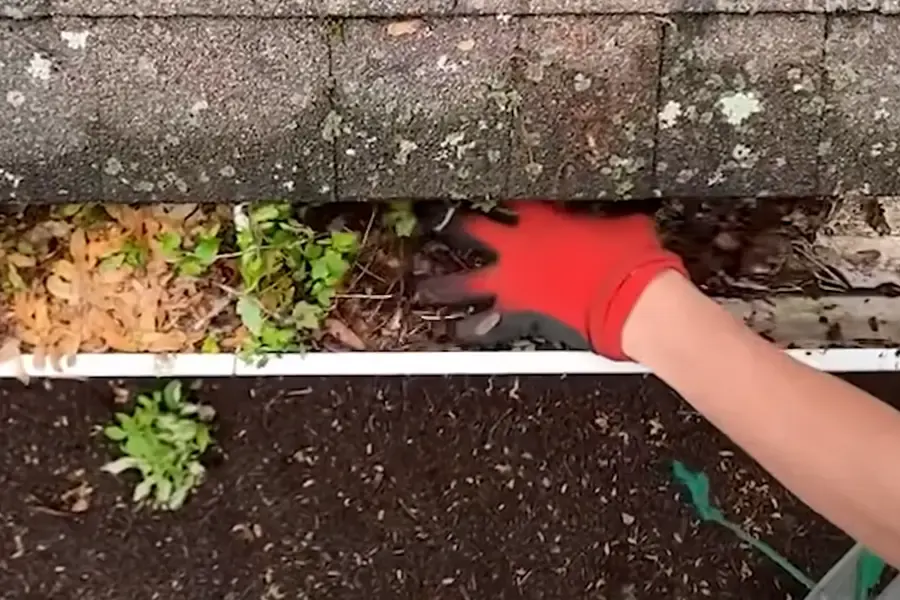
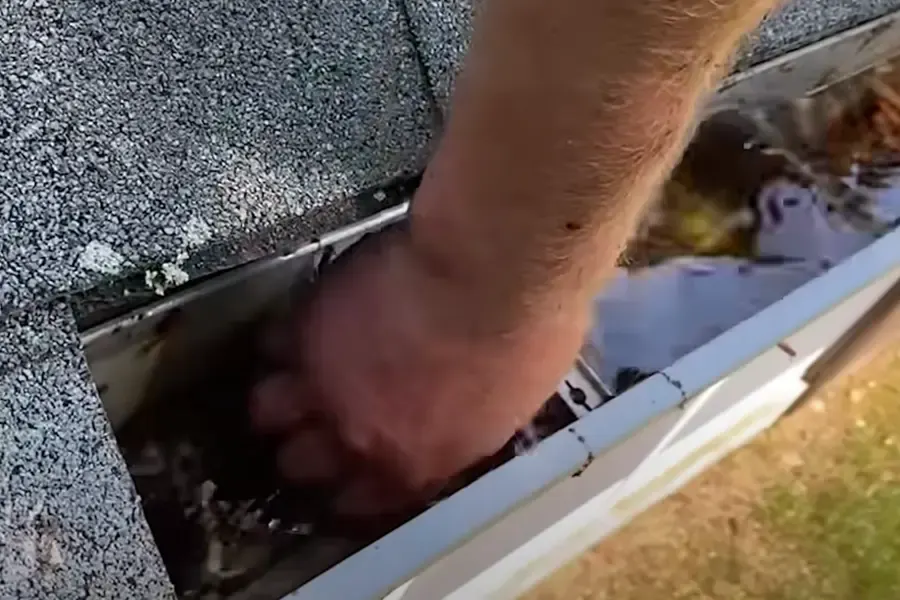
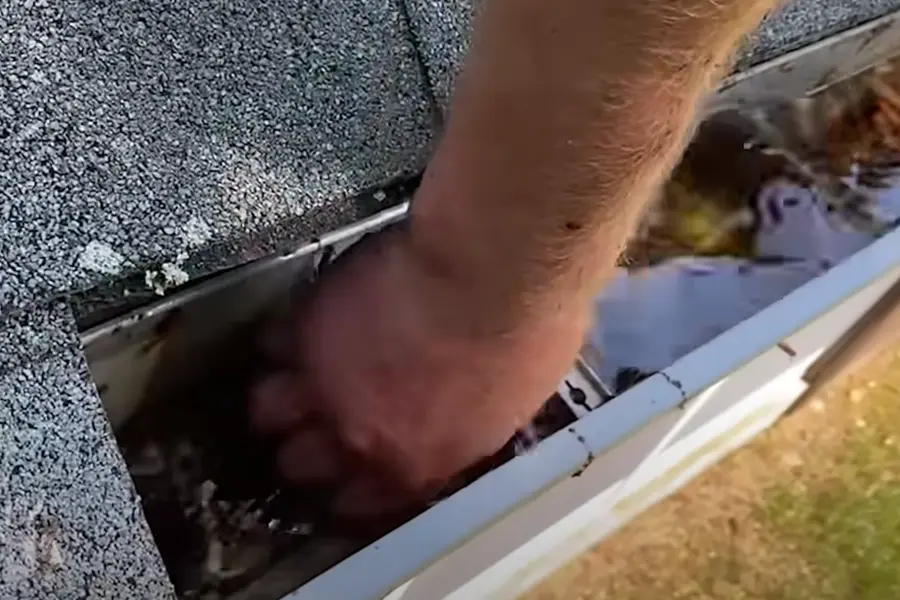
Cleaning removes the leaves, needles, twigs, catkins, and roof grit that narrow the channel. The downspout opening also needs attention; a clean-looking run can still back up when its outlet is capped by a compact plug. Review the cleaning service details.

Gutter Repair
Loose hangers, separating joints, bent sections, and disconnected elbows interrupt the route water is supposed to follow. Some symptoms call for a focused repair, while widespread deterioration may make replacement more sensible. The gutter repair guide explains that distinction.

Gutter Guards
A suitable cover can limit broad debris entering a gutter, but it does not create a maintenance-free system. Fine pine needles may pass through larger openings or lie across the surface. Compare micro-mesh and open screens on the gutter guards page before deciding.

Gutter Installation
A replacement system should move water as a connected whole. Run length, pitch, outlet placement, downspout route, roof valleys, and final discharge all matter. Read about practical planning for gutter installation in Greensboro.

Roof Cleaning
Leaves and small branches resting above the gutter eventually move downhill. Careful removal of loose roof debris can keep a freshly cleared run from filling again at the next rain. See the limits and purpose of roof cleaning.

DIY Guidance
A reachable single-level section with stable, even footing may be a reasonable homeowner project. Taller eaves, steep grades, slick surfaces, nearby wires, or winter ice change the risk. Start with the DIY gutter cleaning checklist before setting a ladder.
Why Homeowners Call
Water is spilling over one section
Overflow concentrated in one place usually points to a local restriction: debris above an outlet, a clogged elbow, or a low spot that holds water. Watching from the ground during rain can reveal the location. There is no need to climb during a storm. Note which corner, valley, or downspout is involved and inspect safely after conditions dry.
A seam drips after the rain slows
A leaking joint is different from water clearing the front edge. The gutter may be dirty, out of pitch, or opening at a seam. Cleaning first makes the cause easier to see. Applying sealant over damp debris rarely settles the underlying issue, and repeated patching is not always the best use of time on a tired section.
The downspout empties beside red clay
Even an open gutter can create trouble when its discharge ends too close to the house or points toward a low area. Extensions earn their keep by carrying concentrated flow farther from the foundation. They also need an unobstructed endpoint; an extension pressed into mulch or buried under leaves can simply move the backup lower in the system.
Storm debris exposed a weak point
Branches and twigs dropped by thunderstorms or occasional ice events can pull on long runs, shift a guard, or block an outlet. A visual check from the ground is worthwhile after debris falls. Look for a changed gutter line, a loose downspout section, or water marks where they did not appear before.
Gutter Upkeep Through Piedmont Seasons
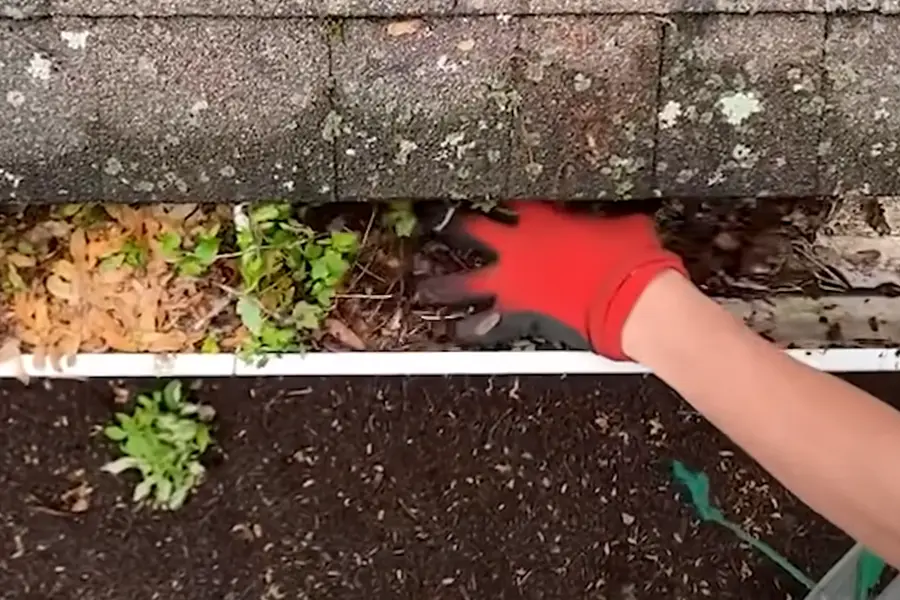
Spring produces more than visible yellow-green pollen. Oak catkins curl together when wet, and those clumps can bridge a narrow outlet. Maple seeds, small twigs, and last season’s fragments join the mix. A late-spring check is useful when trees overhang the roof, especially if the first strong thunderstorm reveals slow flow.
Summer rain can be brief and forceful. A gutter does not have to be packed to fail that test. Debris occupying part of the channel reduces carrying space, and a partially blocked downspout delays the exit. Water then finds another route, spilling across the lip, running behind the gutter, or reaching a weak joint.
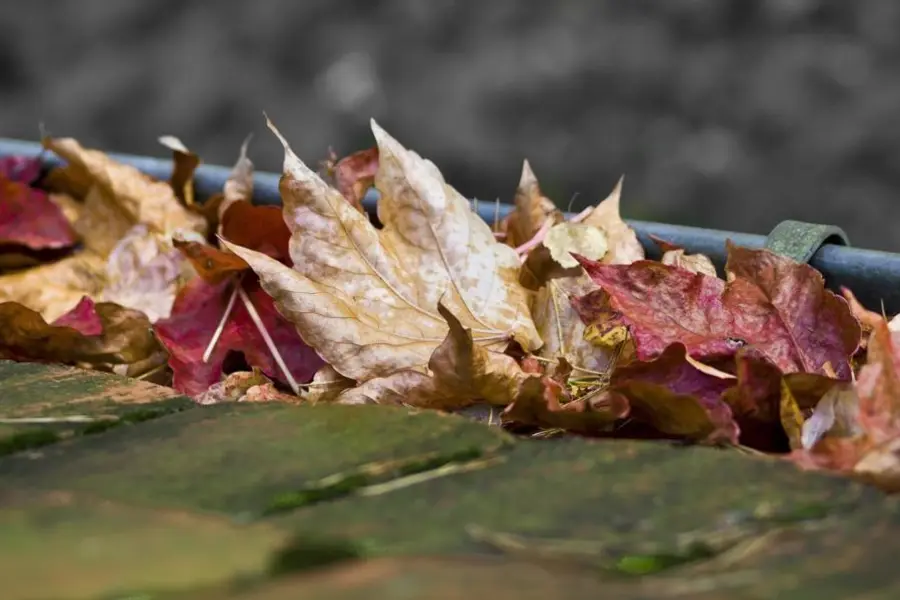
Fall is the obvious leaf season, but broad leaves are only half the local story. Pine needles stitch through leaf piles and make them harder for moving water to shift. Waiting until every leaf is down may be practical on some properties; on heavily wooded lots, an earlier clearing can prevent a midseason mat from sitting through repeated rain.
Long soaking rain from remnants of tropical systems behaves differently from a quick storm. Water keeps arriving, so a small obstruction has time to create a sustained overflow. Before that weather reaches the Triad, a ground-level check of visible runs, downspout outlets, and extensions is safer than rushed ladder work in wind.
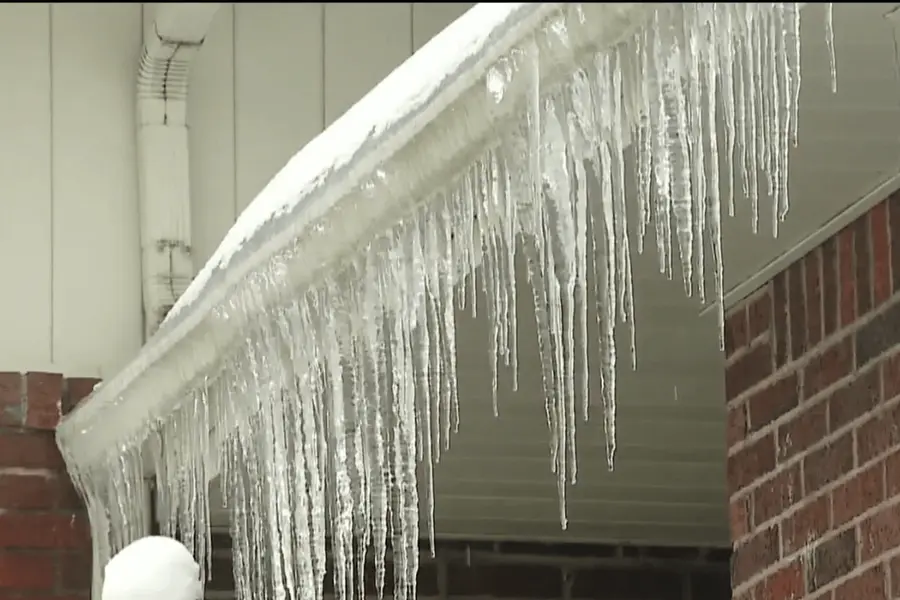
Winter is usually quieter for gutter debris, but ice storms can leave twig litter and added weight along a long run. Do not strike or pry at frozen gutters. Wait for a thaw and assess the system when footing is dry. A hanger that shifted under weight may show up later as a section that holds water.
Cleaning frequency should follow the property rather than a generic calendar. A home under tall pines may need attention beyond spring and fall. A more open roof with clear flow may not need cleaning yet. Inspect after the debris events that actually affect the roof, and act when the channel or outlet is restricted.
Questions From Greensboro Homeowners
How do I know whether the gutter is clogged?
Look for overflow, plants in the trough, staining below a joint, or little to no water leaving a downspout during rain. If the channel looks open and water exits freely, another cleaning may not be necessary.
Why are pine needles difficult for guards?
Their narrow shape lets them enter openings that stop broad leaves. Needles can also span the surface of a screen, catch more debris, and create a wet blanket over the mesh.
Can a clean gutter still overflow?
Yes. The downspout may be blocked, the run may hold a low spot, or a roof valley may send more water to one point than the outlet can accept. Cleaning is the first check, not an automatic explanation for every spill.
When is DIY cleaning a fair choice?
A low, simple run approached from stable ground can be workable when the ladder is sound and another adult is present. If access requires leaning, roof walking, or reaching around wires, stay down.
Are guards always worth installing?
No. Easy access, light debris, and a willingness to clean can make an uncovered system simpler. Guards are more useful when the selected opening matches the debris and the owner accepts periodic inspection.
What should happen after debris is removed?
The outlet and downspout path should be checked, and visible joints and hangers should be observed. The job is about drainage, not merely making the top of the trough look empty.
Should I work on a frozen gutter?
Wait. Ice makes roofs, ladders, and gutter edges unpredictable. Prying can bend metal or damage joints. A thaw provides safer conditions and a clearer view of what shifted.
How do I request a quote?
Call (336) 530-1911 or send the quote form with the property location, building height, and symptoms you have noticed. Photos from the ground can also help frame the conversation.
Careful gutter work starts with an honest diagnosis. Sometimes the answer is cleaning. Sometimes a loose connection needs attention, a discharge path needs improvement, or the gutter can simply be left alone for now. The useful next step is the one that restores a clear route for rain without selling work the system does not need.
Practical Gutter Care for Greensboro Homes

Gutters do quiet work until the water stops going where it should. A layer of pine needles, a pocket of oak catkins, or a downspout elbow packed with leaf fragments can turn one section of roof edge into a waterfall. In Greensboro, that often becomes obvious during a hot-season thunderstorm, when a short burst of hard rain tests every outlet at once.
Greensboro Gutter Cleaning helps homeowners sort out cleaning, minor repair needs, guard questions, new gutter planning, and loose roof debris. The goal is straightforward: give rain a continuous route from the roof to a discharge point away from the house. Call (336) 530-1911 or use the quote form to describe the trouble spot.
The Piedmont brings a particular mix of debris. Pines release needles through much of the year. Willow oaks and maples add a broad fall drop. Spring pollen coats nearly everything, while oak catkins collect into soft clumps that can settle at an outlet. When needles weave through that mix, they form a mat that redirects water over the gutter lip instead of toward the downspout.
Overflow matters beyond the fascia. Red clay around many area homes can shed water quickly once the surface is wet. A steady spill beside the foundation may collect along a crawl-space edge or low planting bed. Cleaning the trough is useful, but checking the outlet, downspout, and extension is what completes the drainage path.
Trace One Downspout at a Time
Start at the section that spills and follow its outlet to the ground. Pine needles can weave through leaf debris and create a mat at the top. Oak catkins can settle lower in the downspout. An extension can also be open but aimed at a crawl-space side of the house. Each condition calls for a different correction.
Tell us what you saw during rain, not only how the gutter looks when dry. Include the Greensboro-area address, number of stories, nearby pines or hardwoods, guards, grade, and final discharge point. If the address is in Kernersville, note that it is in Forsyth County. We use those details to discuss a focused cleaning, repair, or drainage step.