



Start With the Water Problem
A useful service choice begins with the symptom, not a package. Water over the front edge may indicate packed debris, a blocked outlet, or a low section. A drip at a joint may show only after the channel is clean. A downspout can move plenty of water and still leave it too close to the foundation. Each condition points to a different next step.
Greensboro roofs collect a mixed debris load. Pine needles slip through open leaf piles. Willow oak and maple leaves build volume in fall. Spring pollen and catkins fill the gaps, while thunderstorms add twigs and test the remaining space. The six service guides below explain how to respond without assuming every system needs the same work.
Match the Service to the Condition
Cleaning for restricted flow
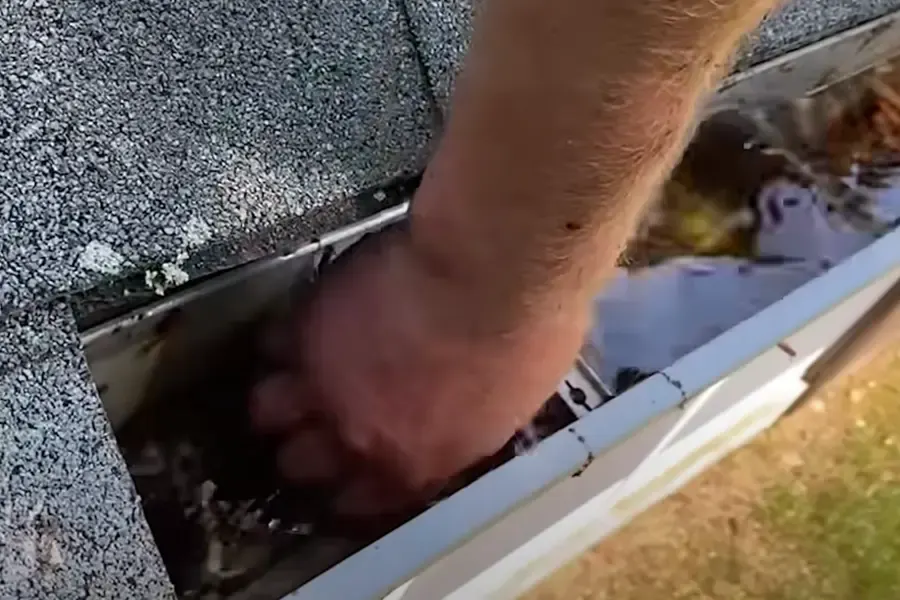
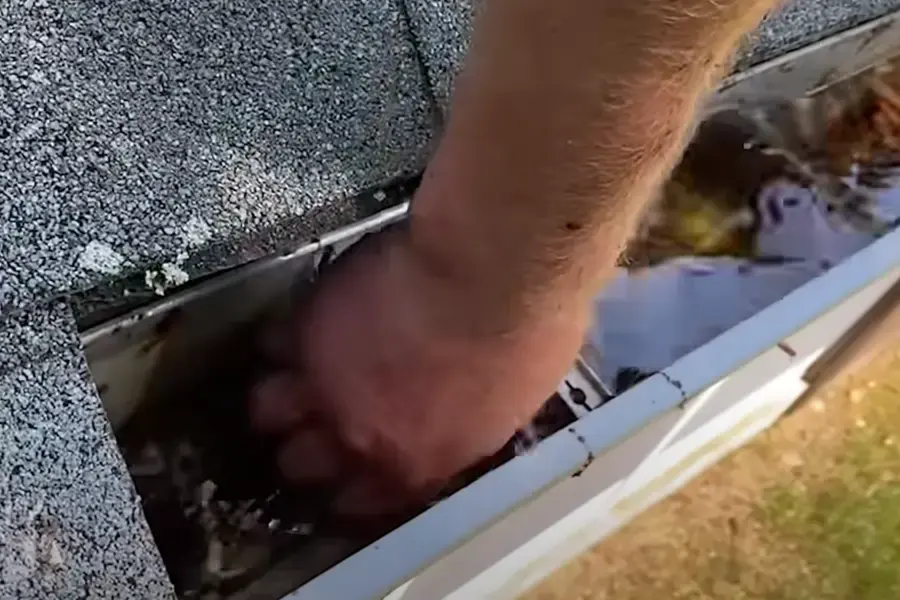
Gutter cleaning is appropriate when organic debris blocks the trough, outlet, elbow, or downspout. Clearing the visible leaves is only part of the job. The system should have an open path from the roof edge to its discharge point. A clean run that still holds water may need pitch or hanger attention instead.
Repair for a local failure
Gutter repair addresses loose hangers, separated seams, shifted end caps, bent sections, and downspout connections. Cleaning often comes first because dirt can hide a joint and standing water can make a pitch problem look like a clog. Widespread wear may favor replacement over a series of small patches.
Guards for a known debris mix
Gutter guards reduce some incoming material, but performance depends on the opening and the debris. An open screen may stop broad leaves yet admit pine needles and catkins. Fine mesh can shed smaller material but still collect a layer on top. Access for later inspection remains important.
Installation for a connected drainage plan
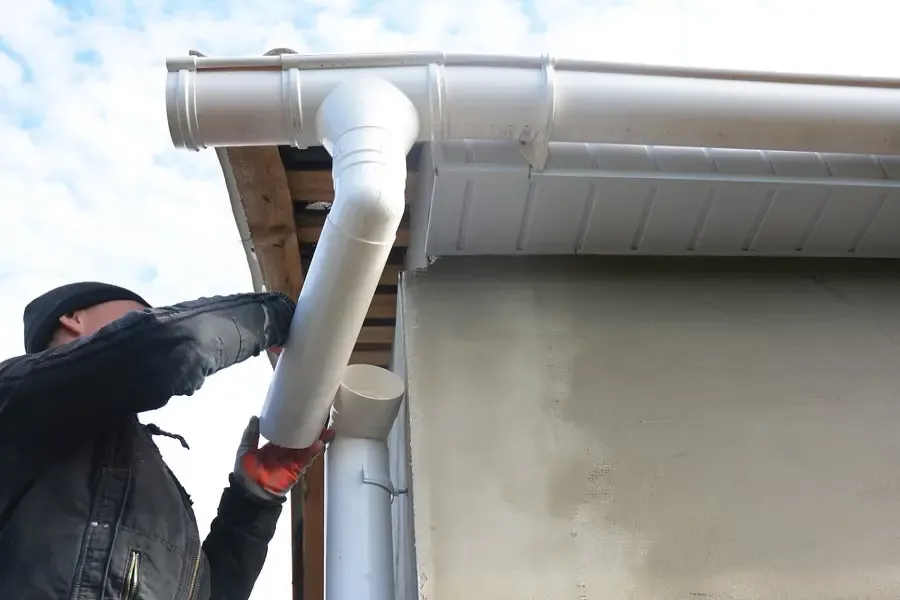
Gutter installation involves more than fastening a trough beneath the shingles. Roof area, valleys, run length, pitch, outlet location, downspout routing, and discharge all work together. The final plan should send concentrated water away from the structure rather than onto a red-clay low spot.
Roof cleaning for loose material above
Roof cleaning can remove leaves, needles, and small branches that are waiting to wash into the gutter. It is not a reason to use aggressive methods on roofing materials. The service page explains the limited goal and why roof condition should shape the approach.
DIY guidance for reachable gutters
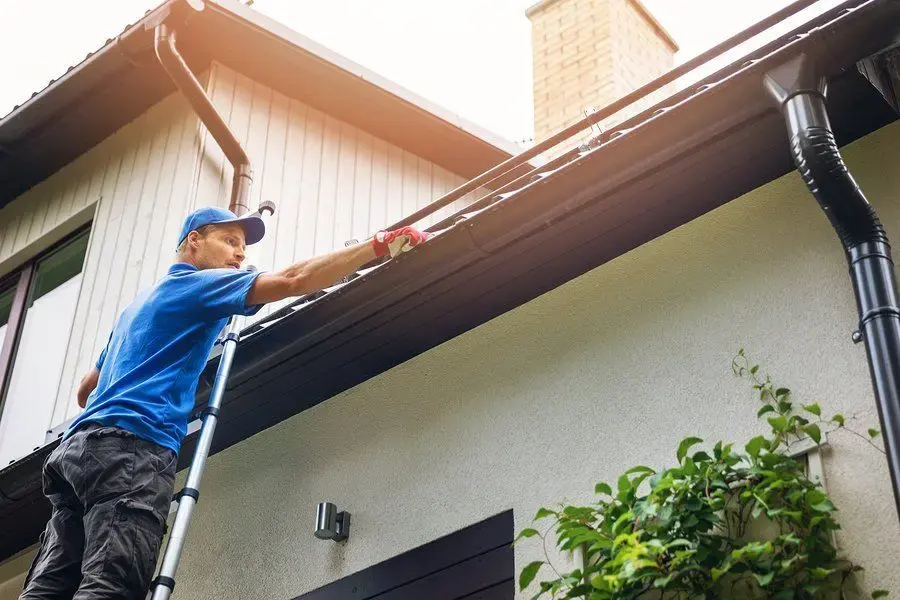
The homeowner cleaning checklist can support a simple single-level project when the ladder has even, stable footing and another adult is nearby. This approach does not make sense when the setup requires overreaching, walking a steep roof, working beside wires, or handling ice. The checklist helps you make that decision before climbing.